Returning from Marcala: Leadership Before It Has a Title
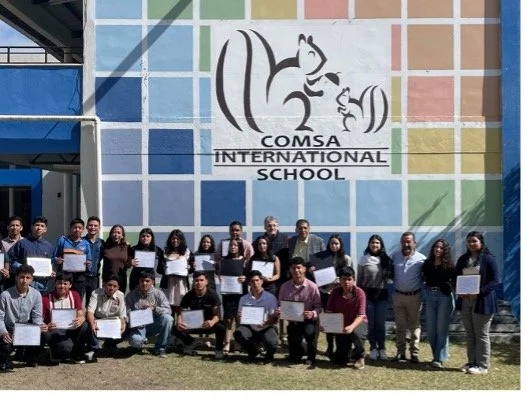
Last week, I traveled to Marcala, Honduras to recognize 23 students who graduated from Crucial Leader’s Youth Leadership Development Program supported by Café Orgánico Marcala S.A. (COMSA).
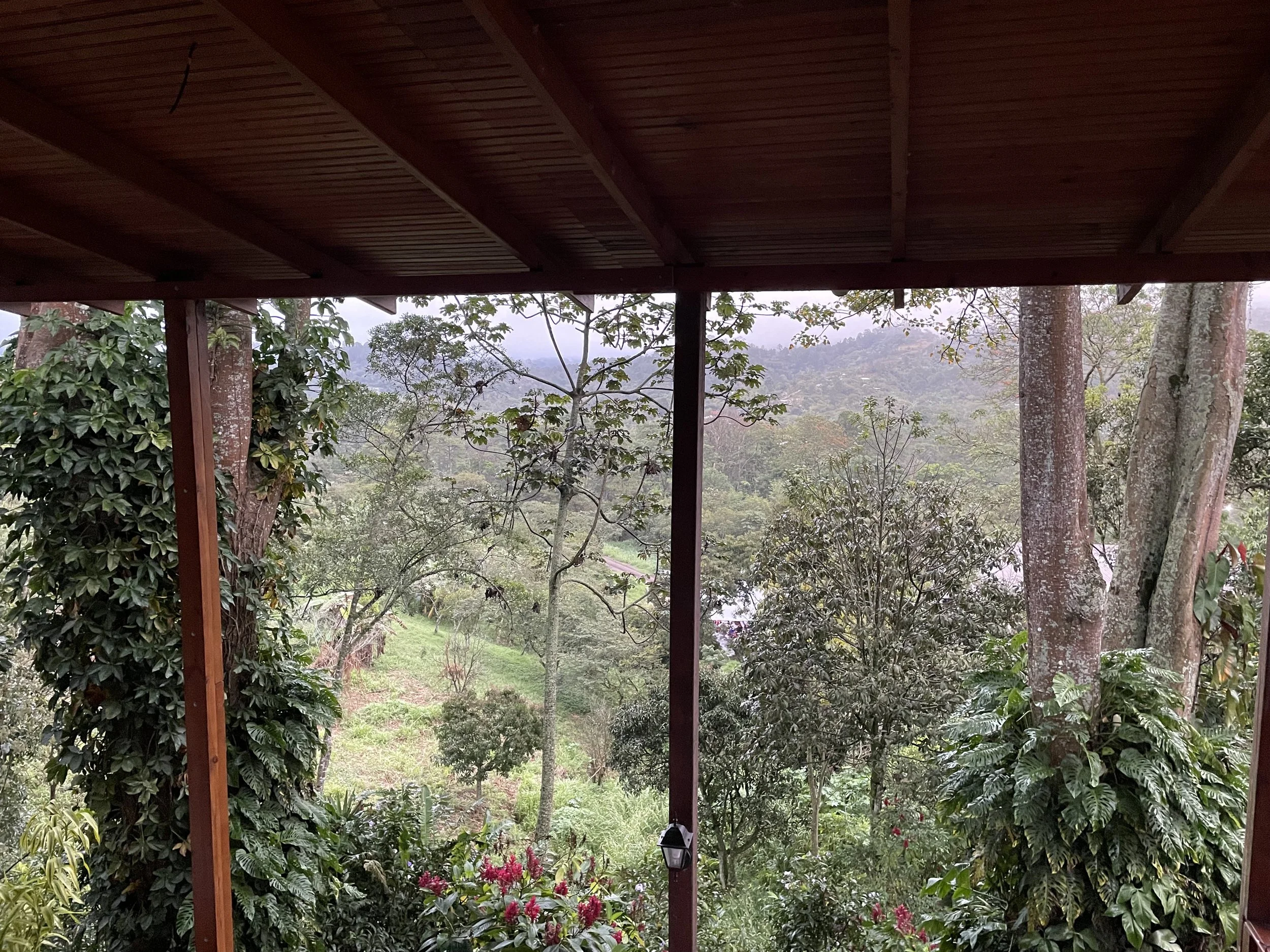
Marcala sits high in the mountains of southwestern Honduras—a cool, cloud-forest region shaped by pine and oak highlands rather than tropical rainforest. It’s a place defined by elevation, work ethic, and community.
In late January, the students gathered with their families for a recognition dinner. They performed music, sang, and stood—quietly proud—as their names were called.
Last semester, these students were introduced to eight leadership topic, but what mattered most wasn’t the content.
It was the signal.
That someone believed they were worth investing in before they had titles.
Before credentials.
Before certainty.
Leadership development at this age isn’t about preparing future executives.
It’s about helping young people recognize their agency—not as passengers in life, but as active participants, responsible not only for shaping their own paths, but someday for their communities, their institutions, and perhaps even their country.
Watching these students accept their certificates, it was impossible not to feel this:
Leadership doesn’t begin when authority is granted.
It begins when responsibility is imagined
February, 2026
The Ecosystem That Makes It Possible
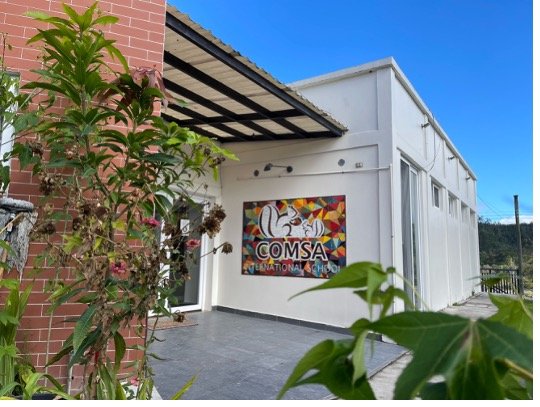
During my time in Honduras, I had the opportunity to see firsthand the ecosystem surrounding the COMSA International School in Marcala.
COMSA—Café Orgánico Marcala S.A.—was founded by Rodolpho Peñalba with a vision that extended well beyond coffee. While the cooperative is widely recognized for its organic and biodynamic production, it ultimately represents something deeper than agriculture.
Education sits inside that same ecosystem.
The COMSA International School serves the children of cooperative members and approaches learning with the same progressive mindset that shapes the co-op itself. Innovation here isn’t a pilot program—it’s the norm.
The school is led by Dr. Ana Urquía and her husband Shabbir Adamali, who steward student development using principles drawn from the educational model of Dr. Glenn Doman.
At its core, that philosophy rests on three ideas:
The brain grows through use — especially early and intentionally. Learning is neurological, not merely academic.
Children learn best through brief, joyful, repeated exposure — stress inhibits growth; joy accelerates it.
Parents and caregivers are central to learning — development is relational, rooted in trust and natural environments.
What’s striking is not any single method.
It’s the alignment.
Agriculture, education, family, and community are not separate systems here—they reinforce one another.
And when that happens, development stops being theoretical.
It becomes lived.

Dr. Ana Caterina Urquia,
Director of CIS

Shabbir Adamali, Educator
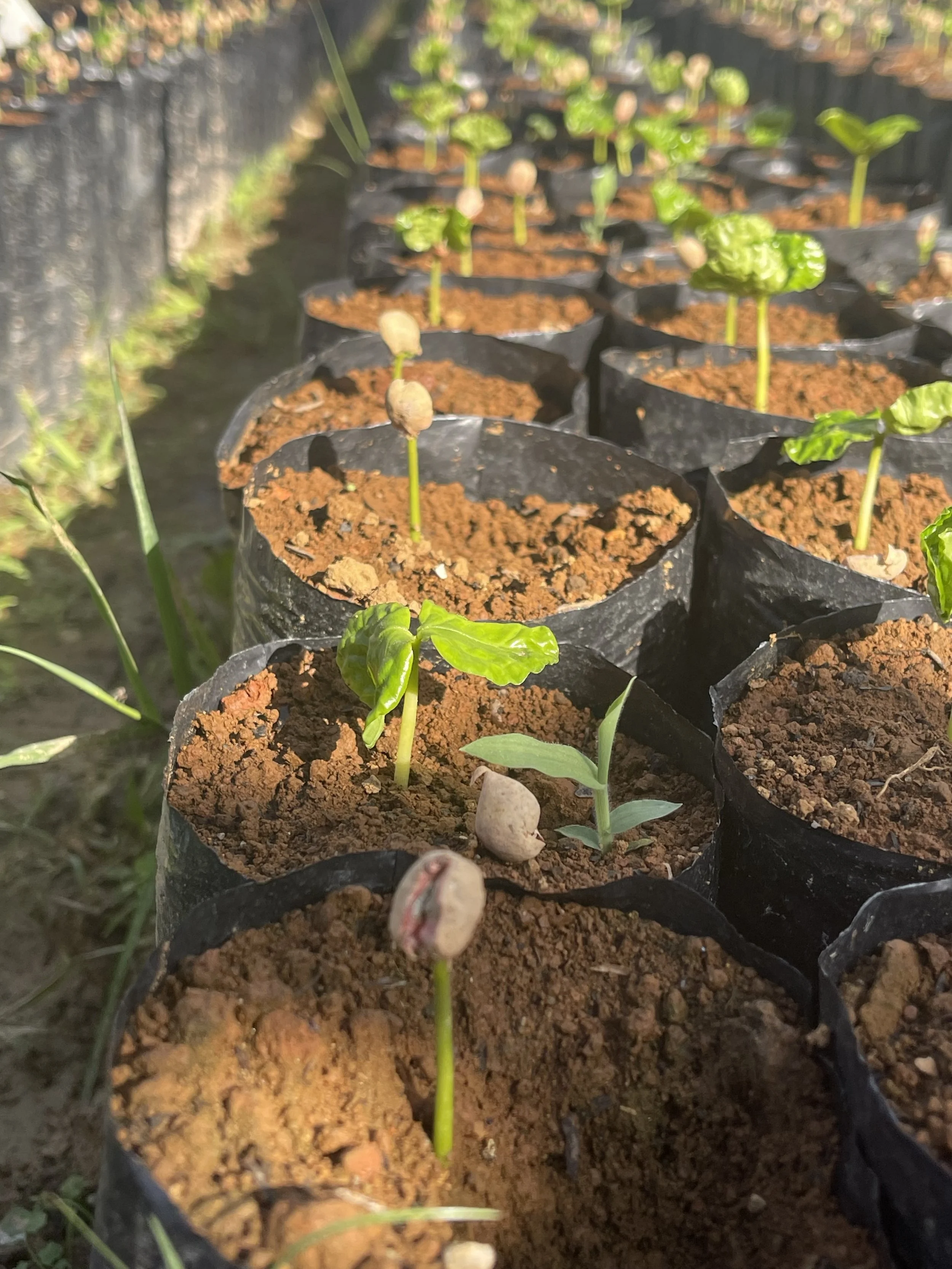
Planting for a Future You May Never Personally Harvest
What stayed with me most after leaving Marcala wasn’t a single conversation or moment—it was a pattern.
Across the COMSA ecosystem, I saw something rare: people choosing to take the long view in a world that often rewards short-term survival.
That long view traces back to the cooperative’s founding under Luis Rodolfo Peñalba—a vision rooted not only in economic sustainability, but in the belief that what we build today should meaningfully outlast us.
I was struck by an image of Rodolfo with Deicy’s grandson. It felt less like a photograph and more like a philosophy made visible—an expression of foresight, responsibility, and hope for generations not yet fully known.
No one forced this.
No one mandated that a cooperative should think beyond yield to sustainability.
No one required a school to step outside conventional education models.
No one demanded that leaders take developmental risks on behalf of children they may never see become “successful” by traditional standards.
And yet, they did.
Under the stewardship of leaders like Ana Urquía and Shabbir Adamali, education in Marcala isn’t treated as remediation or charity.
It’s treated as infrastructure—the kind that quietly shapes futures long after the builders are gone.
Progress here doesn’t announce itself.
It compounds.
Children learn in ways that honor curiosity, dignity, and joy.
Families participate as partners rather than spectators.
A cooperative model that treats economic independence, inclusion, and human development as inseparable commitments.
These are not quick wins.
They are patient bets on the future of Honduras.
And history tells us something important: societies rarely change because of sweeping reforms alone. They change because enough people, in enough places, quietly decide to do things better—even when it’s harder, slower, or misunderstood.
What I witnessed in Marcala felt like that kind of decision.
The kind whose impact won’t be measured this year or next.
But one day, unmistakably, it will be felt.
What a Woman-Led Farm Taught Me About Leadership
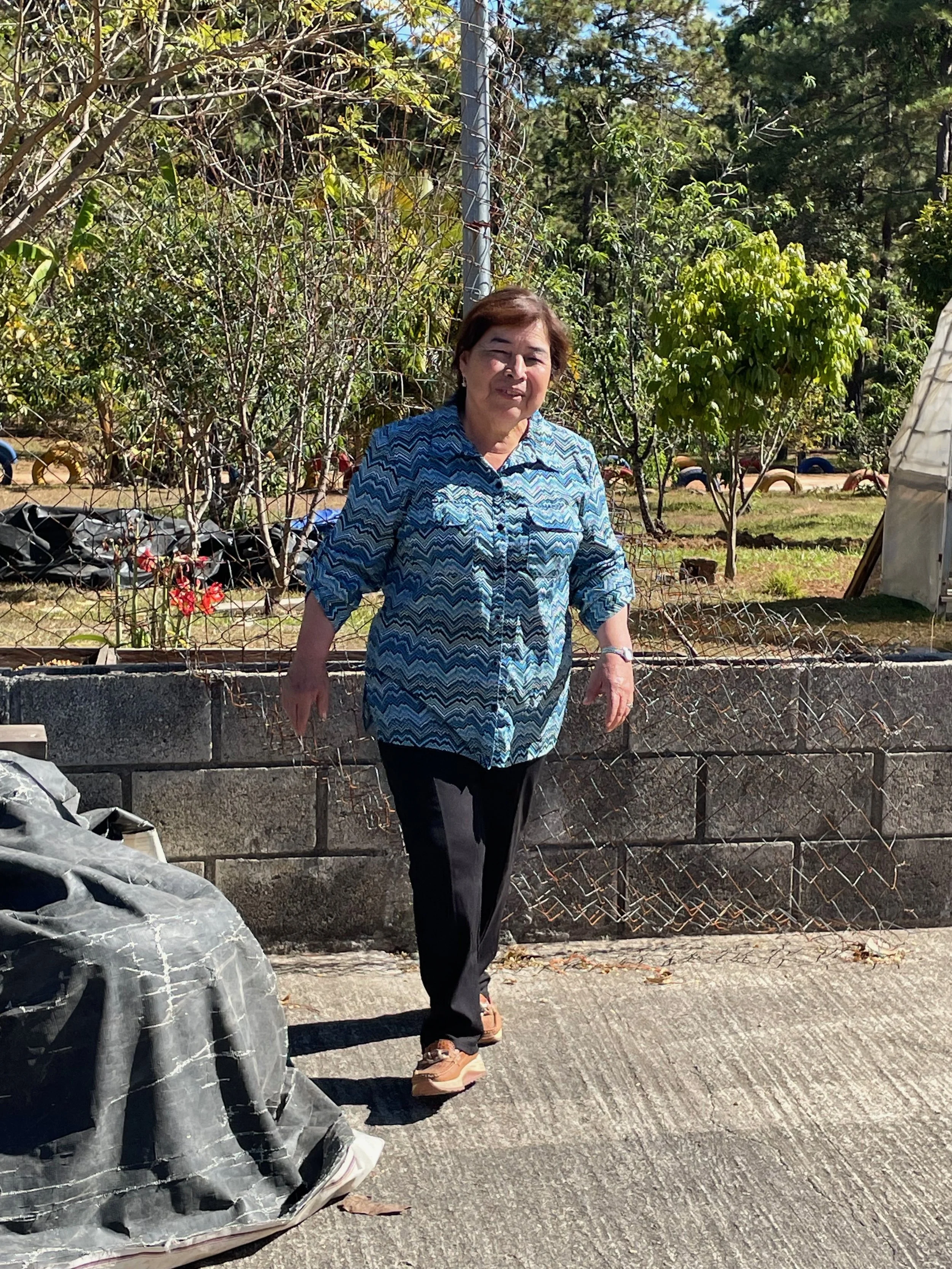
I recently spent time in the mountains of Honduras, visiting a woman-led, organic farm connected to a local cooperative. I went expecting to learn about education and community. I left thinking about leadership.
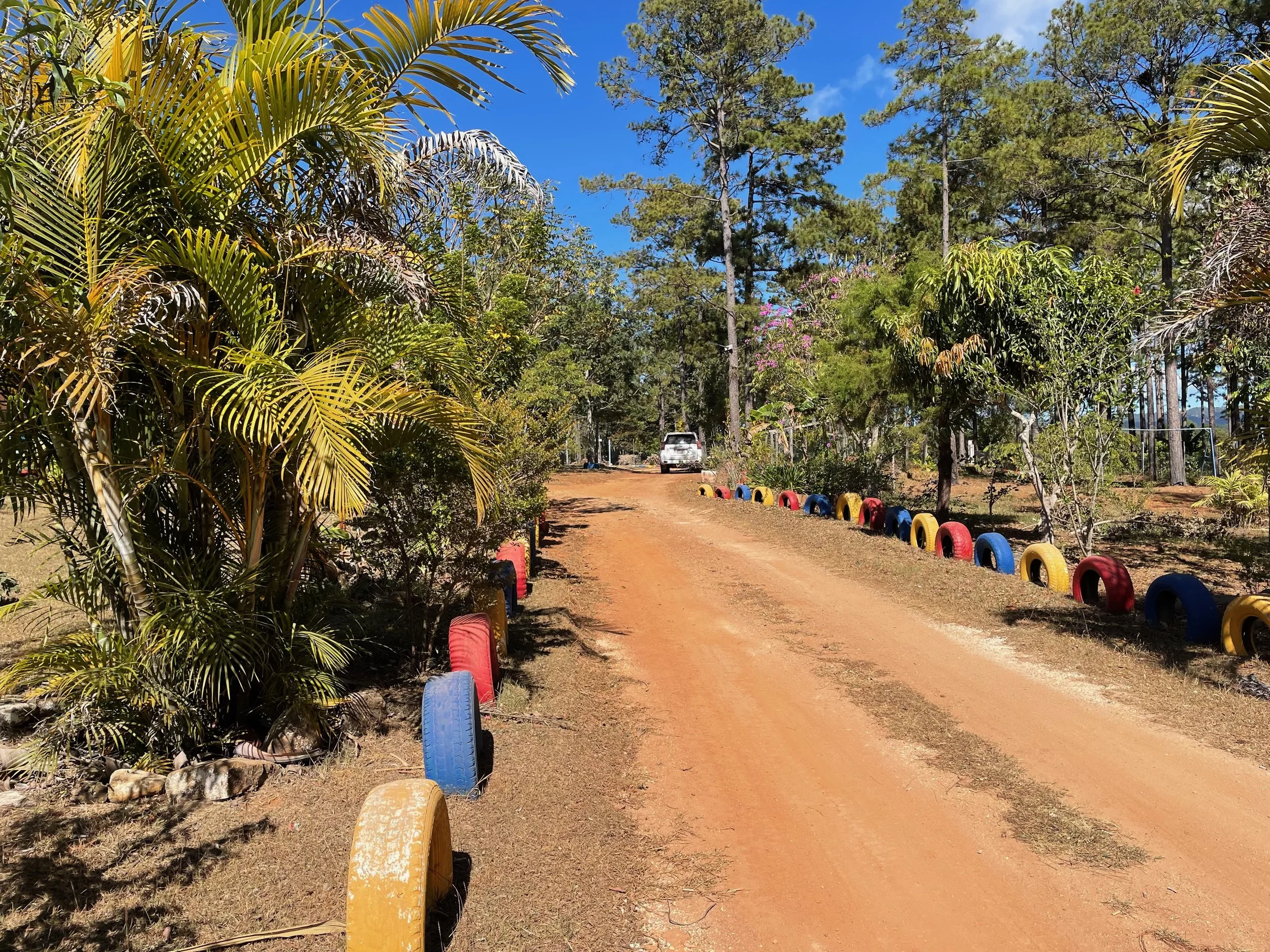
The painted tires caught my eye first.
Not because they were decorative, but because they were welcoming. They reflected creativity, care, and a quiet, feminine intelligence that said: you are safe here.
That invitation didn’t stop at the gate.
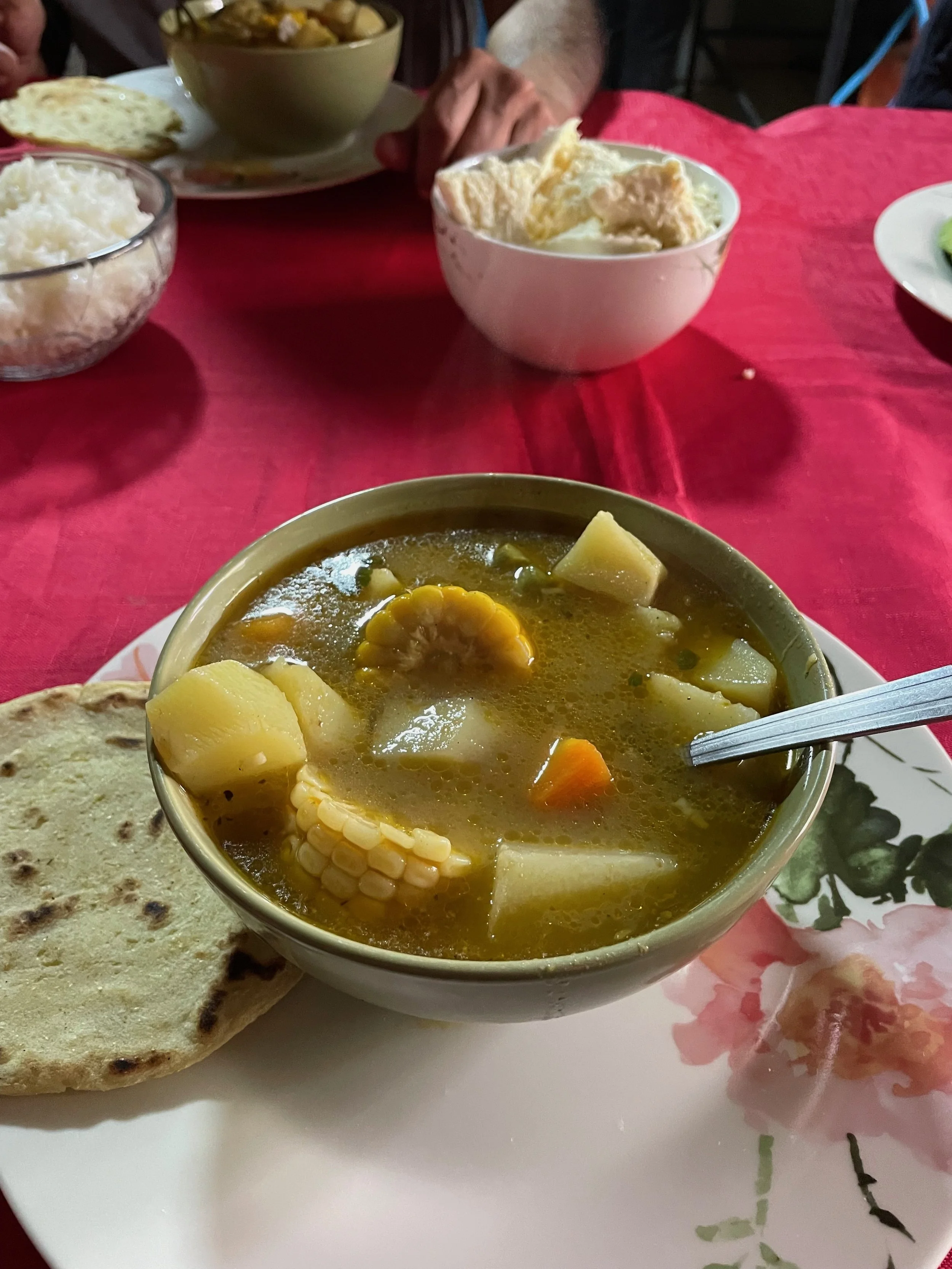
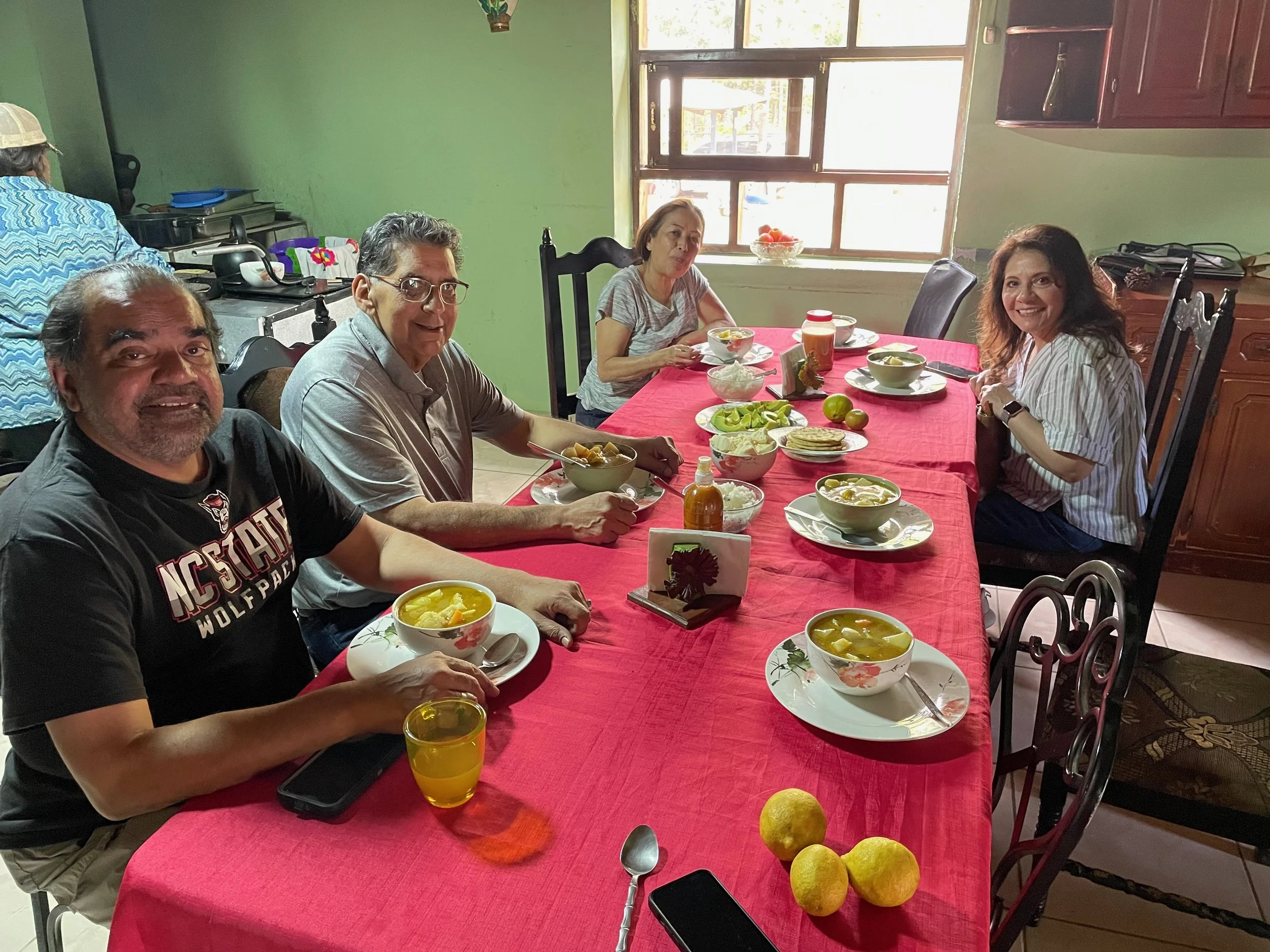
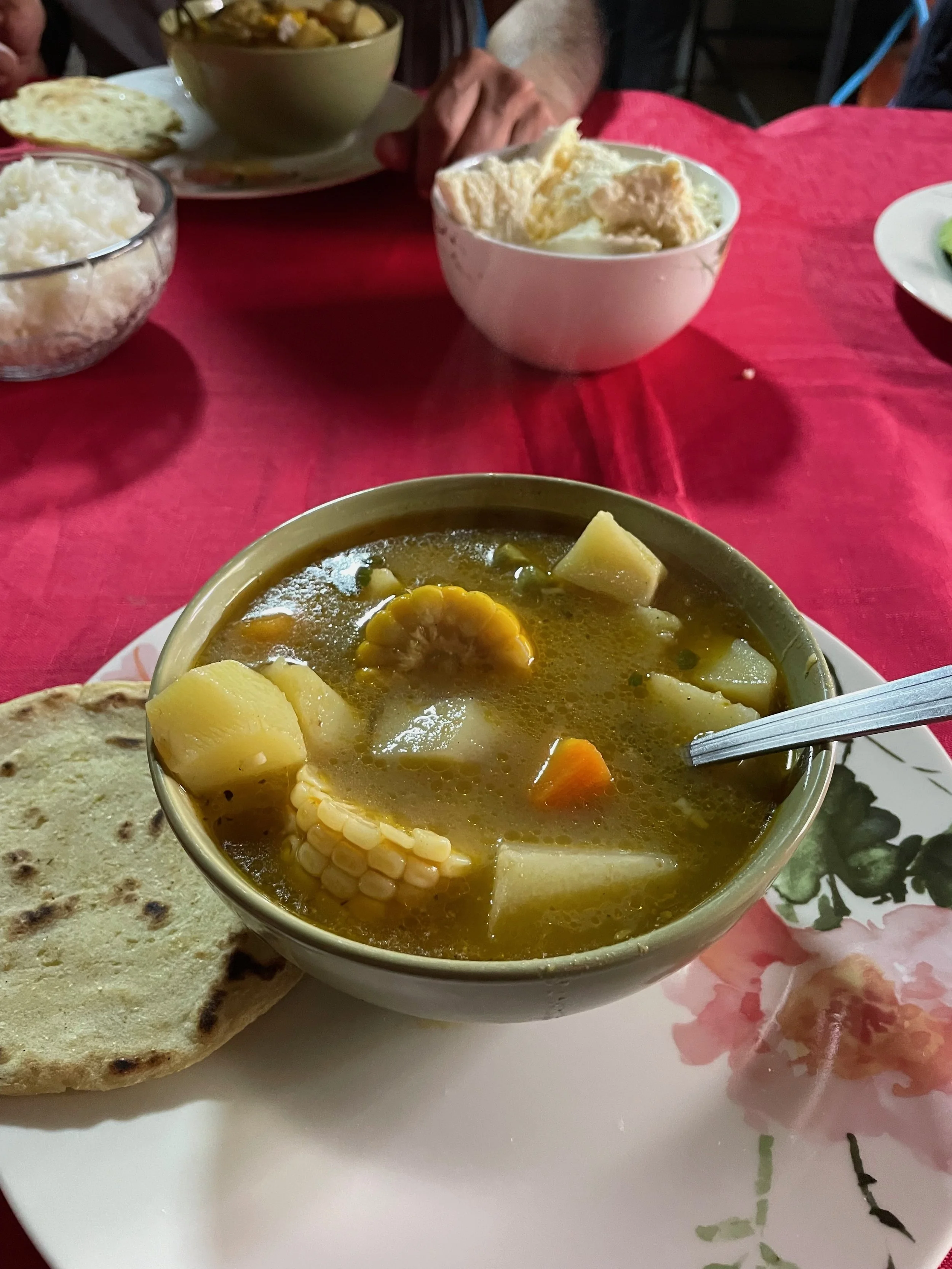
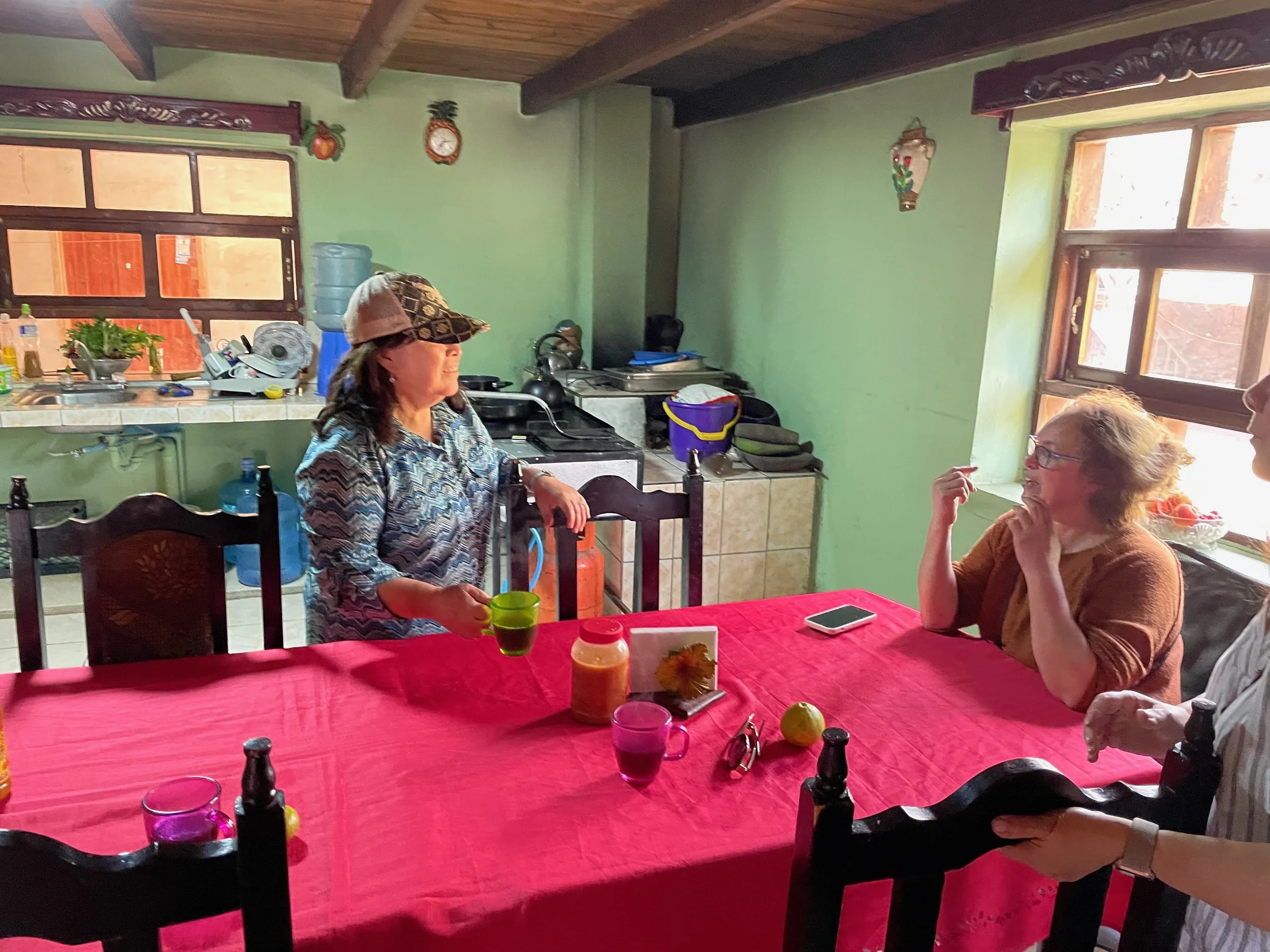
She welcomed five of us into her kitchen and insisted we stay for lunch. What she served was simple and extraordinary at the same time — a meal made entirely from her farm. Cheese, fruits, corn, celery, potatoes, and a chicken prepared specifically for us that day.
Nothing imported. Nothing wasted. Nothing performative.
Just nourishment, offered with pride, humility, and care.
What struck me most was the coherence of it all — the land, the food, the conversation, the warmth. This wasn’t hospitality as a gesture. It was hospitality as a way of leading. Her name is Daisy, and this is her farm.
This is stewardship.
Leadership expressed not through position or authority, but through presence, generosity, and alignment between values and action.
Yamaranguila, Honduras.
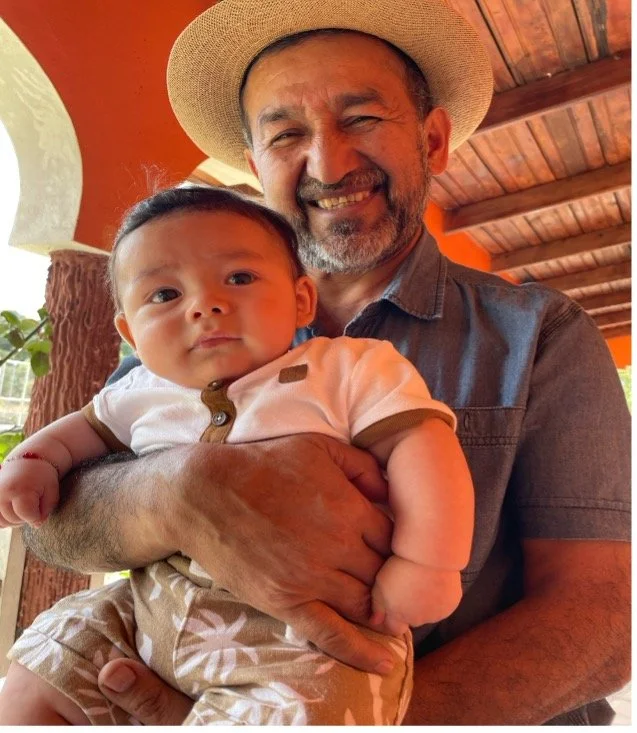
Rodolfo Peñalba, founder and president of COMSA with Ernesto